
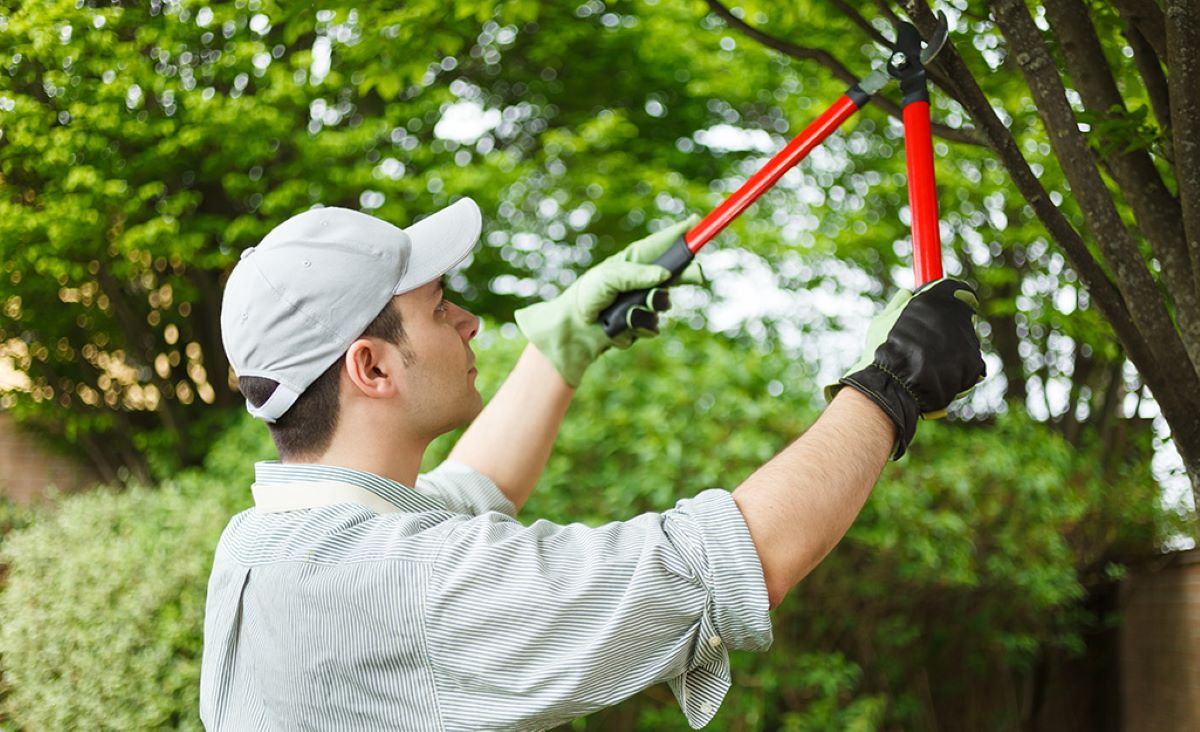
North Shore properties often sit close to boundaries, driveways, pools, and powerlines. That makes tree growth a property issue, not just a garden one. Routine pruning helps them stay ahead of problems while keeping trees looking natural, not butchered.
What does “routine pruning” actually mean for North Shore properties?
Routine pruning means small, planned cuts made on a schedule, rather than heavy removals after something goes wrong. For homeowners seeking tree pruning North Shore services, this approach focuses on deadwood removal, selective thinning, clearance pruning, and shaping to support healthy structure.
For most properties, tree pruning North Shore is best treated as an ongoing maintenance approach that keeps trees stable and predictable as they grow. It also makes future work simpler, more cost-effective, and less disruptive.
How does pruning reduce storm and wind damage risk?
Pruning reduces the chance of limb failure by removing weak, dead, cracked, or poorly attached branches before they drop. It can also lessen wind load by thinning crowded canopies and improving airflow.
On exposed sites or properties with tall trees near roofs and fences, this can be the difference between minor debris and major damage. They are not “making the tree smaller,” they are making it safer.
Why can routine pruning protect roofs, gutters, and exterior cladding?
Branches that overhang roofs dump leaves into gutters, scrape tiles, and rub paint and cladding over time. Regular clearance pruning prevents that constant wear, which is easy to overlook until leaks or rot appear.
It also reduces the amount of organic debris building up in valleys and gutters, which can contribute to blocked drainage and water overflow during heavy rain.
How does pruning help prevent powerline and access issues?
On many North Shore streets, trees grow near overhead lines, driveways, footpaths, and vehicle access points. Routine pruning maintains safe clearances so growth does not become a last minute emergency.
It also helps avoid sudden heavy cutbacks, which often stress trees and look unsightly. Smaller, periodic cuts typically heal better and keep tree shape more natural.
What are the health benefits for the tree itself?
Pruning can improve tree health by removing dead, diseased, or rubbing branches and by reducing overcrowding. Better light penetration and airflow through the canopy can lower the risk of fungal issues in some species.
It also encourages stronger structure by supporting good branch spacing and attachment angles. Over the long term, that can mean fewer breakages and a longer lived, more stable tree.
Can pruning reduce pest problems around the home?
Pruning does not “solve” pests, but it can reduce conditions that attract them. Removing deadwood and dense, shaded growth can limit habitat for certain insects and reduce moisture buildup that encourages decay.
Keeping branches off roofs and away from windows also reduces natural “bridges” that some pests use to access the home. It is a practical layer of prevention, not a standalone treatment.
How does routine pruning improve light, views, and outdoor usability?
Routine pruning can lift and thin canopies to let more sunlight into lawns, gardens, and outdoor living areas. It can also open up views without removing the tree entirely.
For properties with shaded decks, damp paths, or struggling turf, selective pruning often improves comfort and maintenance. It helps them get more value from the outdoor space they already have.
Why does pruning support better growth and shape as trees mature?
Trees that are never pruned often develop crowded, competing leaders or long, unbalanced limbs that become hazards later. Early, routine pruning guides growth while branches are smaller and easier for the tree to seal.
This reduces the need for drastic cuts in future years. It also helps trees maintain a stable, well proportioned canopy that fits the property as it grows.
See Also : Garden Health Benefits of Professional Tree Hedge Trimming
How can pruning help with neighbour relations and boundary concerns?
Overhanging limbs, leaf drop, blocked sunlight, and encroaching branches are common causes of neighbour tension. Routine pruning helps keep trees within reasonable bounds and reduces the chance of disputes.
It also prevents boundary damage such as branches pushing fences or dropping heavy limbs into adjacent yards. They avoid awkward conversations by managing growth before it becomes a problem. Check out more about trees and hedges.
Does routine pruning increase property appeal and resale presentation?
Healthy, well shaped trees frame a home and make gardens look cared for. Routine pruning removes obvious deadwood and messy growth that can make even a good property feel neglected.
For listings, tidy canopies and clear sightlines can improve street appeal and help outdoor areas photograph better. It is a small maintenance choice that can make the whole property look sharper.
When should North Shore properties schedule pruning for best results?
Timing depends on tree species, age, health, and the goal of the pruning. In general, routine maintenance works best when it is planned around seasonal growth cycles and avoided during extreme stress periods.
They should also consider local nesting seasons and any protected wildlife issues before major work. The safest approach is to schedule an assessment so timing and scope match the specific trees.
Why should they use qualified arborists instead of DIY cutting?
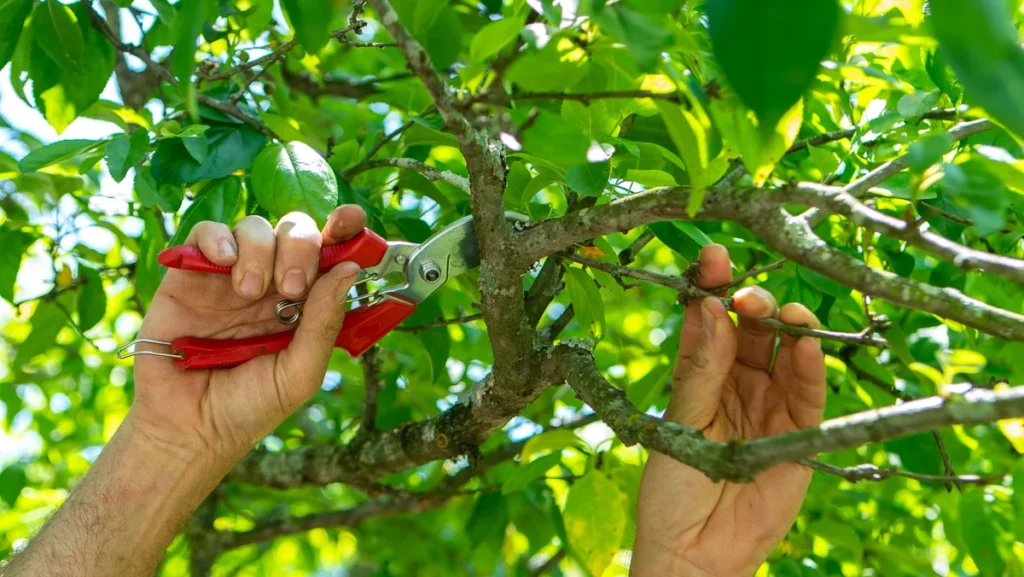
Incorrect cuts can create decay points, weaken structure, or trigger excessive regrowth that becomes a bigger problem later. Working at height, near roofs, or around powerlines also carries real safety risks.
Qualified arborists prune with tree biology in mind and use proper access and safety systems. Routine pruning is most effective when each cut has a clear reason, not just a quick tidy.
What’s the simplest takeaway for property owners?
Routine pruning is preventative maintenance that protects people, homes, and the trees themselves. It reduces storm risk, improves light and views, and keeps growth compatible with tight North Shore spaces.
They do not need drastic removals to get results. A consistent schedule, guided by a professional assessment, is usually the most cost effective and least stressful way to manage trees long term.
FAQs (Frequently Asked Questions)
What is routine tree pruning and why is it important for North Shore properties?
Routine tree pruning involves small, planned cuts made on a regular schedule to remove deadwood, thin crowded branches, clear overhangs, and shape trees for healthy structure. For North Shore properties, this ongoing maintenance keeps trees stable, reduces risks to buildings and boundaries, supports natural growth, and simplifies future tree care.
How does routine pruning reduce storm damage and improve safety around homes?
Pruning removes weak, dead, or poorly attached branches that could break in storms, while thinning canopies improves airflow and lessens wind load. This proactive approach minimizes the chance of limb failure near roofs, fences, and driveways, turning potential major damage into manageable debris and making trees safer without drastically reducing their size.
In what ways does pruning protect roofs, gutters, and exterior surfaces?
Regular clearance pruning prevents branches from scraping tiles, rubbing paint or cladding, and dropping leaves into gutters. This reduces wear and tear that might otherwise lead to leaks or rot. It also limits organic debris buildup in valleys and drainage systems, helping prevent blockages and water overflow during heavy rain events.
Why should North Shore property owners hire qualified arborists for pruning instead of doing it themselves?
Qualified arborists understand tree biology to make precise cuts that avoid decay points or structural weakness. They have the expertise and equipment to safely work at heights near roofs or powerlines. Proper pruning by professionals ensures effective maintenance that supports tree health and safety while preventing costly mistakes common with DIY cutting.
How does routine pruning improve outdoor living spaces in North Shore homes?
Selective lifting and thinning of canopies through routine pruning increases sunlight penetration to lawns, gardens, decks, and paths. It opens views without removing trees entirely and helps reduce dampness or turf struggles caused by excessive shade. This enhances comfort, usability, and enjoyment of outdoor areas while maintaining natural aesthetics.
When is the best time to schedule tree pruning for optimal results on North Shore properties?
The ideal timing depends on the specific tree species, their age, health status, and pruning goals. Generally, routine maintenance aligns with seasonal growth cycles while avoiding periods of extreme stress or local wildlife nesting seasons. Professional assessments help determine the appropriate schedule to maximize benefits and minimize disturbance.