
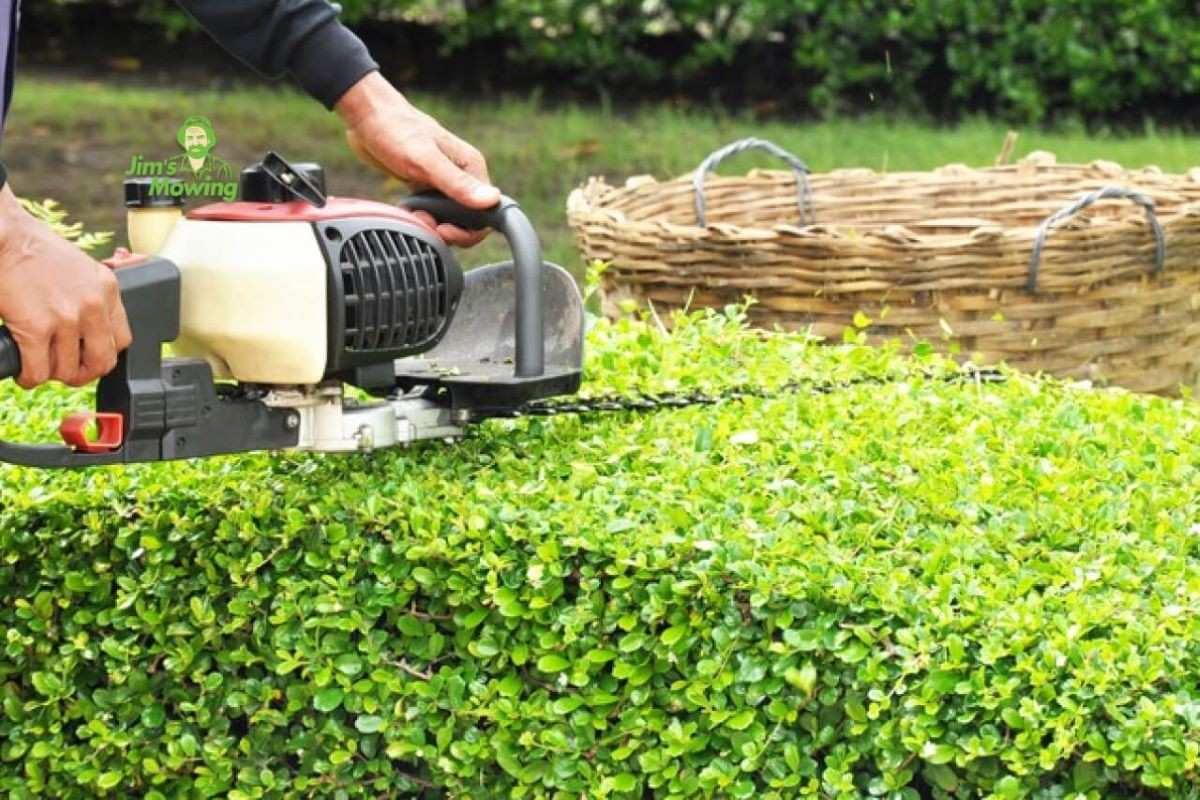
Professional tree and hedge trimming supports garden health by managing light, space, and structure. Done well, it helps the whole landscape function better, not just look tidier.
What does professional trimming do that casual cutting often misses?
Professional tree hedge trimming targets plant health, not just appearance. It’s carried out with the specific species, seasonal timing, and long-term structure in mind, helping to reduce stress on plants and prevent recurring problems.
During tree hedge trimming, experienced professionals also identify early signs of canker, dieback, crossing or rubbing branches, and pest damage. That on-the-spot diagnosis can prevent small issues from spreading throughout the garden and becoming costly to fix later.
How does trimming improve sunlight for the rest of the garden?
It restores balanced light to lawns, borders, and understory plants. When trees and hedges thicken, they create heavy shade that can thin grass and reduce flowering.
By selectively thinning or lifting canopies, professionals let light reach lower levels without stripping the plant bare. The result is stronger, more even growth across beds, shrubs, and groundcover.
Why does better airflow matter for garden health?
It lowers humidity around leaves, which helps prevent fungal disease. Dense hedges and crowded branches trap moisture, especially after rain or irrigation.
Professional trimming creates small, intentional gaps that allow air to move through. That can reduce issues like powdery mildew, leaf spot, and general “musty” decline in shaded corners.
How can trimming reduce pests without relying on sprays?
It removes the sheltered zones where pests breed and hide. Thick, untrimmed growth can protect aphids, scale, mites, and caterpillars from birds and beneficial insects.
By improving light and airflow, trimming also makes plants less stressed, and stressed plants are easier targets for pests. In many gardens, that reduces the need for reactive chemical treatments.
How does it help prevent disease from spreading?
It eliminates infected or dying material before it becomes a wider outbreak. Deadwood and crossing branches can create wounds, entry points, and damp pockets where pathogens thrive.
Professionals also use clean cuts and avoid tearing, which helps plants seal faster. Many follow tool hygiene practices between problem areas, reducing the chance of transferring disease across the garden.
Can trimming make trees and hedges structurally safer?
Yes, it reduces weak growth patterns that lead to breakage. Overlong limbs, co-dominant stems, and dense top growth can make trees more vulnerable in wind, snow, or heavy rain.
Proper pruning encourages strong branch spacing and controlled weight distribution. For hedges, it can prevent “top-heavy” growth that splits or collapses, especially when neglected for years.
How does hedge trimming support healthier growth from base to top?
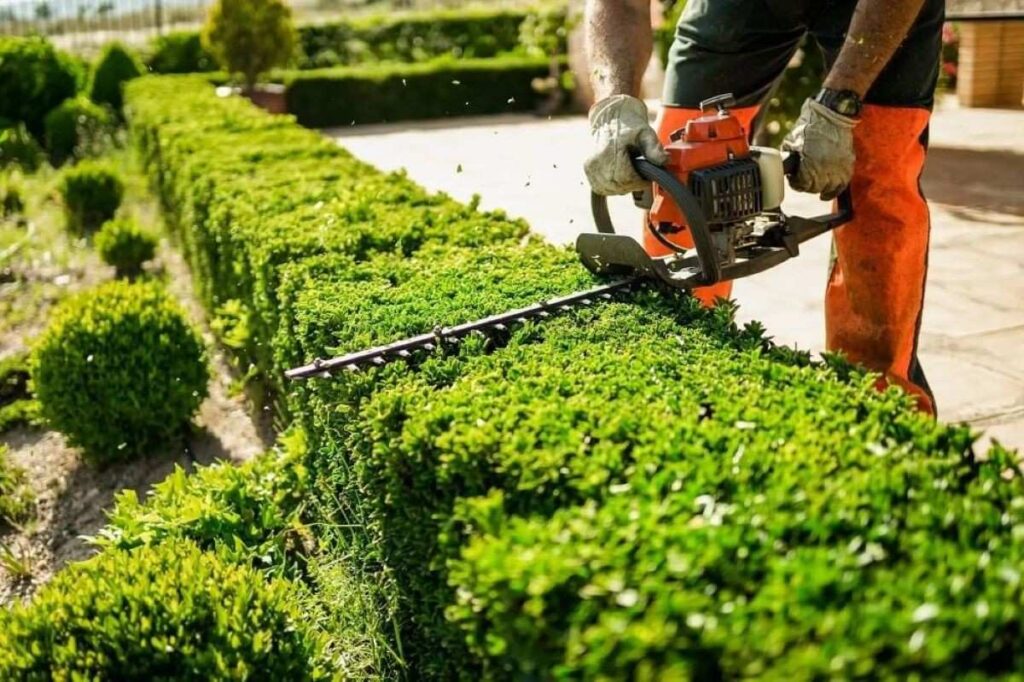
It prevents the common issue of bare, woody lower sections. When a hedge is wider at the top than the bottom, the base gets shaded and slowly dies back.
Professionals often shape hedges slightly tapered so light reaches the lower leaves. That keeps density where it matters, improving privacy, wind protection, and overall vigour. Click here to get more about benefits of routine tree pruning North Shore properties shouldn’t ignore.
Why does professional timing matter for plant recovery?
Because the same cut can help or harm depending on season and species. Trimming at the wrong time can remove next season’s buds, trigger weak late growth, or increase stress during heat or frost.
Professionals typically plan work around growth cycles and local conditions. That supports faster healing and reduces setbacks, so plants keep building strength year after year.
How can trimming improve soil and planting conditions nearby?
It reduces root competition pressure caused by excessive top growth. A heavily overgrown canopy demands more water and nutrients, leaving nearby perennials and lawn struggling.
With a better-balanced canopy, surrounding plants often establish more reliably and need less “rescue watering.” It can also make mulching and soil improvement easier by opening access and reducing constant leaf litter buildup in shaded pockets.
What are the long-term garden health benefits of consistent maintenance?
It prevents the boom-and-bust cycle of neglect and harsh cutting. When plants are left too long, the eventual trim is often severe, and severe cuts can cause stress, dieback, and messy regrowth.
Regular professional trimming keeps growth controlled, reduces shock, and maintains a stable garden microclimate. Over time, that stability supports stronger plants, fewer problems, and a garden that stays healthier with less intervention.
FAQs (Frequently Asked Questions)
What advantages does professional tree and hedge trimming offer over casual cutting?
Professional trimming focuses on plant health by considering species, season, and long-term structure, which reduces stress and prevents recurring problems. Additionally, professionals can identify early signs of issues like canker, dieback, rubbing branches, and pest damage during the process, enabling prompt intervention to stop small problems from spreading throughout the garden.
How does trimming improve sunlight exposure for lawns and understory plants?
Selective thinning or lifting of tree and hedge canopies by professionals restores balanced light to lawns, borders, and understory plants. This process reduces heavy shade caused by thick growth, allowing light to reach lower levels without stripping plants bare, resulting in stronger and more even growth across beds, shrubs, and groundcover.
Why is better airflow important for maintaining garden health?
Improved airflow lowers humidity around leaves, which helps prevent fungal diseases such as powdery mildew and leaf spot. Dense hedges and crowded branches trap moisture after rain or irrigation; professional trimming creates intentional gaps that allow air movement through the foliage, reducing musty decline especially in shaded corners.
In what ways does trimming help reduce pest problems without chemical sprays?
Trimming removes sheltered zones where pests like aphids, scale, mites, and caterpillars breed and hide from natural predators. Enhanced light and airflow reduce plant stress—stressed plants are more susceptible to pests—thus trimming decreases pest populations naturally and minimizes reliance on reactive chemical treatments.
How does professional trimming contribute to preventing disease spread in gardens?
By eliminating infected or dying material such as deadwood and crossing branches, trimming removes entry points for pathogens. Professionals use clean cuts that promote faster healing and adhere to tool hygiene practices between problem areas to avoid transferring diseases across the garden.
Can regular professional trimming improve the structural safety of trees and hedges?
Yes. Trimming reduces weak growth patterns like overlong limbs, co-dominant stems, and dense top growth that increase vulnerability to breakage from wind, snow, or heavy rain. Proper pruning encourages strong branch spacing and controlled weight distribution. For hedges, it prevents top-heavy growth that can split or collapse when neglected.