
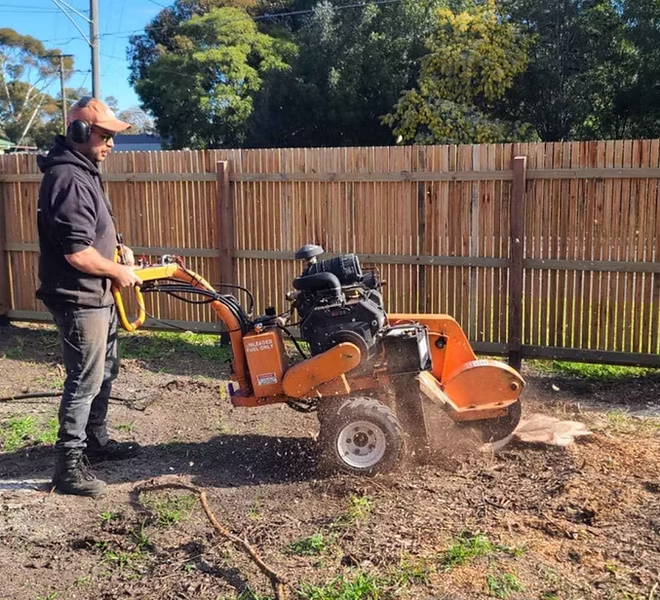
They typically start by clearing stones and debris, checking for buried services, then positioning the machine to control chip throw and keep the cutting arc stable. The goal is a clean, below-ground finish that suits the site’s next use, such as turf, paving, or replanting.
What does a stump grinder actually do to the stump and roots?
A stump grinder does not “pull” the stump out. A tree stump grinder uses carbide teeth to chip away wood fibres in small passes, reducing the stump to mulch and lowering the remaining wood below the soil line.
Most of the time, they grind the stump and the root flare, plus the upper sections of nearby lateral roots. Deeper structural roots usually remain in place and decay over time, unless they grind further out to chase problem roots.
Why do different root systems change how grinding works?
Root architecture changes density, grain direction, and how much timber sits near the surface. A tree stump grinder works fastest when the stump is compact and the roots are predictable, and slower when roots spread wide or weave through rocks and clay.
In Australian suburbs, conditions vary street by street. Sandier coastal soils can collapse back into the cut, while reactive clay can hold shape but hide hard roots and embedded grit that blunts teeth.
How does a grinder handle shallow, wide-spreading roots?
Shallow, plate-like systems are common in many Australian ornamentals and in trees that grew in compacted urban soil. With this layout, a tree stump grinder often needs to travel wider, because the stump transitions quickly into thick lateral roots just under the lawn.
They usually grind a broader “dish” around the stump rather than going deep in one spot. That approach reduces kick and helps them level the area for turf, but it can create more chips and require more backfill.
How does a grinder handle deep taproots?
Taproots are more common in younger trees and some natives that established in freer-draining soils. A tree stump grinder can reduce the stump and upper taproot section, but they rarely chase a taproot to full depth because it can extend well below typical grind targets.
They generally grind to 150–300 mm below ground level for lawns and garden beds, then leave the remaining taproot to decay. If replanting a tree in the same spot, they may grind deeper or shift the planting location.
How does a grinder cope with dense, fibrous root mats?
Fibrous root mats can form around certain species and in trees that responded to frequent watering. A tree stump grinder meets more frequent resistance changes because the wheel alternates between stump wood, root fibres, and soil.
They typically use controlled side-to-side sweeps and smaller bite sizes to prevent stalling. In these jobs, tooth wear can be higher, so operators often check teeth more frequently and avoid grinding directly through gritty soil where possible.
How do buttress roots and root flares affect the grinding pattern?
Buttress roots create thick, above-ground ribs that flare out from the trunk base. A tree stump grinder must remove these ribs first, because they sit proud and can deflect the cutting wheel.
They usually start at the highest buttress, working down in steps to keep the grinder stable. Once the flare is flattened, the rest of the stump becomes more uniform, and the operator can follow a consistent depth plan.
What happens when roots run under paths, driveways, or slabs?
Roots under hardscape are common in older Australian homes where trees predate landscaping. A tree stump grinder can’t safely grind under concrete edges without risking undermining, cracking, or striking the slab.
They often grind up to the edge, then recommend root cutting, targeted excavation, or leaving deeper roots in place. If the goal is repaving, they may coordinate with a landscaper so the area is opened and made safe before further grinding.
How does soil type in Australia change the way grinding is done?
Soil changes both traction and tooth life. A tree stump grinder in sandy soils may need careful spoil control because the cut collapses, mixing chips with sand and reducing the quality of mulch.
In clay-heavy suburbs around Melbourne, Canberra, and parts of Sydney, the soil can hold shape but may contain rocks that damage teeth. In wetter regions, operators may delay work after heavy rain to avoid bogging and to keep the machine stable.
How do operators avoid hitting rocks, metal, or old garden edging?
Hidden objects are one of the biggest risks during grinding. Before using a tree stump grinder, they typically rake back mulch, check for bricks, edging, pegs, and old irrigation parts, and ask the owner about prior landscaping.
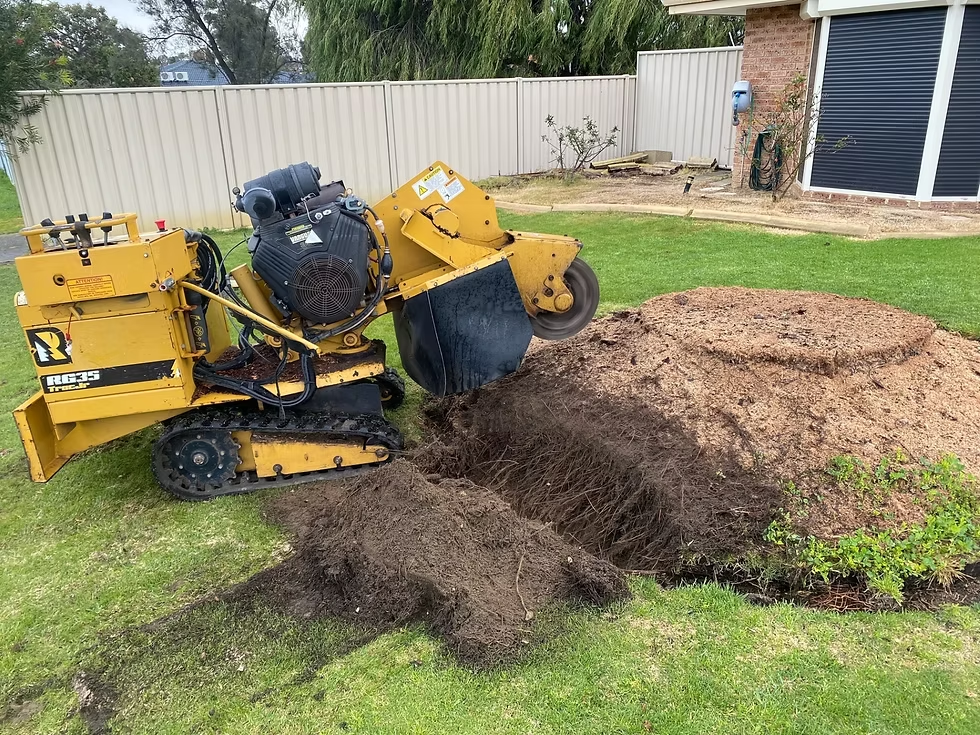
They also listen for a sharp change in sound and feel through the controls when grinding a stump below ground. If they suspect metal, they stop immediately, clear the area, and inspect the teeth because damaged teeth can increase vibration and reduce cutting control.
What depth do they usually grind to for Australian yards?
Depth depends on the next use of the space. With a tree stump grinder, they commonly grind to about 150–200 mm below ground for lawns, and closer to 250–300 mm for garden beds or areas planned for light landscaping.
If they are preparing for a new tree in the same spot, they may recommend a deeper grind and removal of excess chips. Too much uncompacted mulch can settle and create a dip, especially after rain.
How do they deal with regrowth risk from different root systems?
Some species are more likely to sucker from remaining roots. A tree stump grinder removes the stump’s active crown area, which is the usual source of regrowth, but certain trees can still shoot from lateral roots.
They often grind wider to reduce near-surface root mass and may recommend monitoring for shoots over the next season. In Australian conditions, warm weather and irrigation can trigger fast regrowth, so early removal of shoots is important.
How long does it take to grind stumps with different root structures?
Time varies with stump diameter, timber hardness, access, and root spread. A compact stump with limited surface roots may take under an hour, while a wide, shallow system can take longer because they must grind more area, not just more depth.
Access also matters. If they can bring the machine close, work is faster. If they must use a smaller grinder through a side gate, it can take longer even if the stump is moderate.
What should they expect after grinding in terms of chips, holes, and clean-up?
Grinding produces a large volume of chips relative to the stump size. With a tree stump grinder, they often leave chips on site to backfill the hole, unless the owner wants them removed for immediate paving or to avoid nitrogen drawdown in garden beds.
They should expect a shallow crater that needs levelling with soil. Chips settle over weeks, so topping up may be needed. In high-traffic yards, they may prefer to remove chips and use screened soil for a firmer finish.
When is grinding not the best option for certain root systems?
Grinding is not always ideal if major roots are actively lifting structures or if the stump sits hard against sensitive assets. A tree stump grinder can reduce what is accessible, but it cannot fix structural root issues under slabs without additional work.
They may recommend staged removal involving excavation, root barriers, or coordination with a concreter or plumber. In some cases, leaving deep roots to decay is fine, but they need to match the approach to the property’s plans.
How can they choose the right grinder setup for the site?
Machine choice matters as much as technique. A smaller pedestrian unit suits tight Australian side access, while a larger self-propelled grinder can handle bigger stumps more efficiently if access allows.
They typically choose tooth type and cutting pattern based on timber hardness and soil grit. They also plan where chips will land, protect windows and cars, and confirm safe distances before starting.
What safety and compliance checks matter most in Australian properties?
They should treat underground services as a key risk. Before operating a tree stump grinder, they may check service plans and visually identify irrigation, lighting cables, or old pipes, especially in established gardens.
PPE and exclusion zones are standard because chips can eject at speed. They also consider neighbours, parked cars, and street exposure, which is common in front-yard removals across Australian suburbs.
What is the simplest way to think about grinding across root systems?
A tree stump grinder is most effective when they adapt the grind plan to the root layout rather than forcing a single method. Shallow, wide roots usually mean a wider grind; taproots mean a deeper centre with practical limits; fibrous mats mean slower, smaller passes.
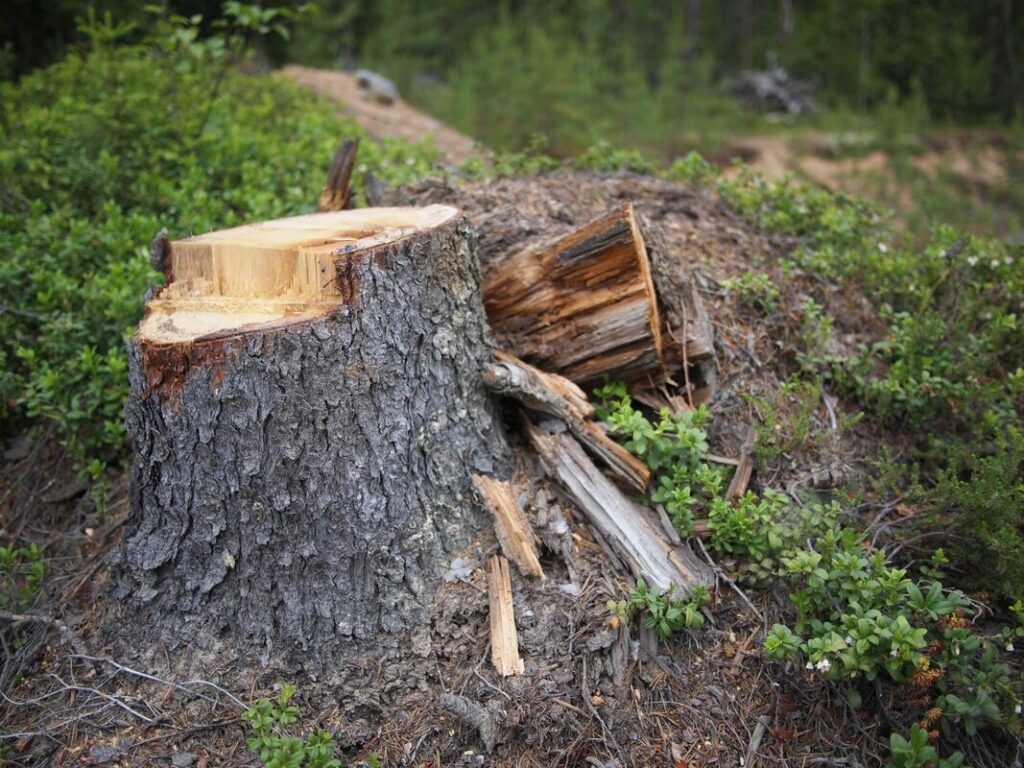
If the site’s next step is clear, such as turf, paving, or replanting, they can choose the depth, clean-up, and chip handling that best fits the job and the Australian conditions on that block.
FAQs (Frequently Asked Questions)
What does a tree stump grinder do to the stump and roots?
A tree stump grinder uses fast-spinning carbide teeth to chip away wood fibres gradually, reducing the stump and root flare into mulch. It typically grinds the stump and upper lateral roots down below the soil line but leaves deeper structural roots in place to decay naturally unless further grinding is needed.
How do different root systems affect the stump grinding process?
Root architecture influences grinding speed and technique. Compact stumps with predictable roots grind faster, while wide-spreading or complex roots slow progress. Soil types like sandy coastal soils may collapse into cuts, whereas clay soils hold shape but can hide hard roots and grit that blunt grinder teeth.
How is grinding handled for shallow, wide-spreading root systems?
For shallow, plate-like root systems common in Australian ornamentals, grinders usually create a broader ‘dish’ around the stump rather than deep cuts. This approach reduces machine kickback, levels the area for turf installation, but may produce more wood chips requiring additional backfill.
What approach does a stump grinder take with deep taproots?
Stump grinders reduce the stump and upper taproot sections but rarely chase taproots fully as they extend deep underground. Typically, grinding reaches 150–300 mm below ground for lawns or garden beds, leaving remaining taproots to decompose naturally; deeper grinding or relocating planting spots is advised if replanting.
How do operators manage grinding around buttress roots and root flares?
Buttress roots are thick ribs above ground that must be ground first as they can deflect the cutting wheel. Operators start at the highest buttress and work downward in steps to maintain machine stability before proceeding with consistent depth grinding once the flare is flattened.
What precautions are taken when grinding near paths, driveways, or slabs?
Grinding under concrete edges risks undermining or cracking slabs. Operators grind up to but not under hardscape edges, often recommending root cutting, targeted excavation, or leaving deeper roots intact. Coordination with landscapers ensures safe removal if repaving or extensive landscaping is planned.
<script type="application/ld+json">
{
  "@context": "https://schema.org",
  "@type": "BlogPosting",
  "mainEntityOfPage": {
    "@type": "WebPage",
    "@id": "https://greenimpactweek.com/how-a-tree-stump-grinder-works-on-different-root-systems/"
  },
  "headline": "How a Tree Stump Grinder Works on Different Root Systems",
  "image": [
    "https://greenimpactweek.com/wp-content/uploads/2026/09/grinder-pics.avif",
    "https://greenimpactweek.com/wp-content/uploads/2026/09/soutside-tree-lopping-stump-grinding-2_1_orig.jpg",
    "https://greenimpactweek.com/wp-content/uploads/2026/09/Messenger_creation_A89D6D75-23D6-49B1-8B0C-EF3AE1041EF7_edited.avif"
  ],
  "author": {
    "@type": "",
    "name": "Gland Maxwell",
    "url": "https://greenimpactweek.com/author/admin/"
  },
  "publisher": {
    "@type": "Organization",
    "name": "Green Impact Week",
    "logo": {
      "@type": "ImageObject",
      "url": "https://greenimpactweek.com/wp-content/uploads/2024/07/Green-logo.png"
    }
  },
  "datePublished": ""
}
</script>