
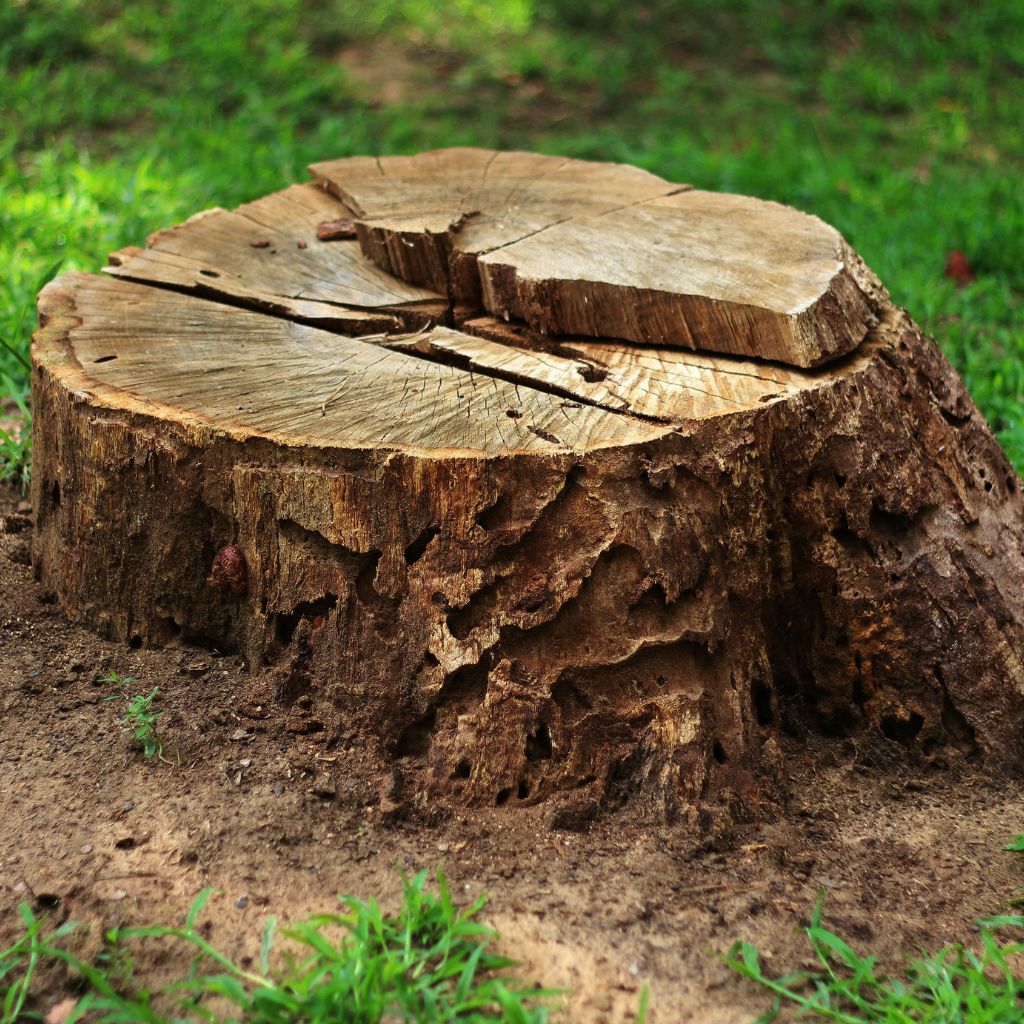
In Australia, the “right” depth is usually the one that matches the next use, whether that’s turf, garden beds, paving, or replanting.
How deep does stump grinding actually go underground?
In most Australian residential jobs, a stump grinding service typically goes 150–300 mm below the surrounding soil level. That depth is usually enough to stop regrowth from the stump’s crown and allow the area to be levelled and covered.
If they need more clearance for landscaping or construction, stump grinding can go deeper, often 300–450 mm, and sometimes further with the right access and equipment.
What factors decide how deep stump grinding can go?
The depth is mainly limited by machine size, access, and ground conditions. If they can get a larger grinder close to the stump and the soil is workable, they can usually grind deeper and faster.
Other factors include the stump’s diameter, timber hardness, embedded rocks, and nearby services. In tight backyards in Sydney, Melbourne, Brisbane, Perth, Adelaide, Hobart, Canberra, or Darwin, access is often the deciding factor for stump grinding depth.
What is the “standard” stump grinding depth for Australian yards?
A common target is about 200 mm below ground, because it suits most suburban outcomes like lawn repair or a light garden bed. It also reduces the risk of hitting unexpected obstructions as they grind.
For many households, this standard stump grinding depth is the best balance of cost, time, and a clean finish. If they want to plant a small shrub over the spot, they may ask for a slightly deeper grind plus removal of excess mulch.
Can stump grinding go deep enough for replanting a tree?
Sometimes, but it depends on the new tree and the site. Many arborists will recommend grinding deeper than the basic lawn depth, then excavating the grindings and bringing in fresh soil so the new tree has a better rooting environment.
Even with deep stump grinding, old roots remain in the ground and can affect the new planting hole location. In many Australian gardens, they get better results by offsetting the new tree position rather than planting directly where the stump was.
How deep should stump grinding be for turf or lawn?
For turf, they typically aim for 150–250 mm below the surface, then rake out the bulk of the grindings and top up with soil. That gives enough space for a stable lawn base and avoids a shallow “mulch pocket” that sinks later.
If they plan to re-turf immediately, stump grinding should be deep enough to allow a soil layer over the top, not just wood chips. This helps prevent the spot from drying out faster than the surrounding lawn in Australian heat.
How deep should stump grinding be for paving or concrete?
For paving, they often need deeper stump grinding plus removal of the grindings so the base material can be properly compacted. A typical target might be 300 mm or more, depending on the paving system and sub-base requirements.
For concrete slabs or footings, they may need even more clearance than stump grinding alone provides. In those cases, stump grinding is often the first step, followed by excavation to engineering specs.
Does stump grinding remove the roots underground?
No, not fully. Stump grinding removes the stump and the upper root flare near the surface, but it does not chase every root through the yard.
Most tree roots spread widely and can run under fences, paths, and garden beds. In Australian suburban blocks, removing all roots usually means trenching and excavation, not just stump grinding.
Can a stump grow back if stump grinding isn’t deep enough?
Yes, some species can reshoot if the grind is too shallow and the stump’s growth tissue remains active. They’ll see this more with certain trees that sucker readily, especially if the stump is left close to the surface.
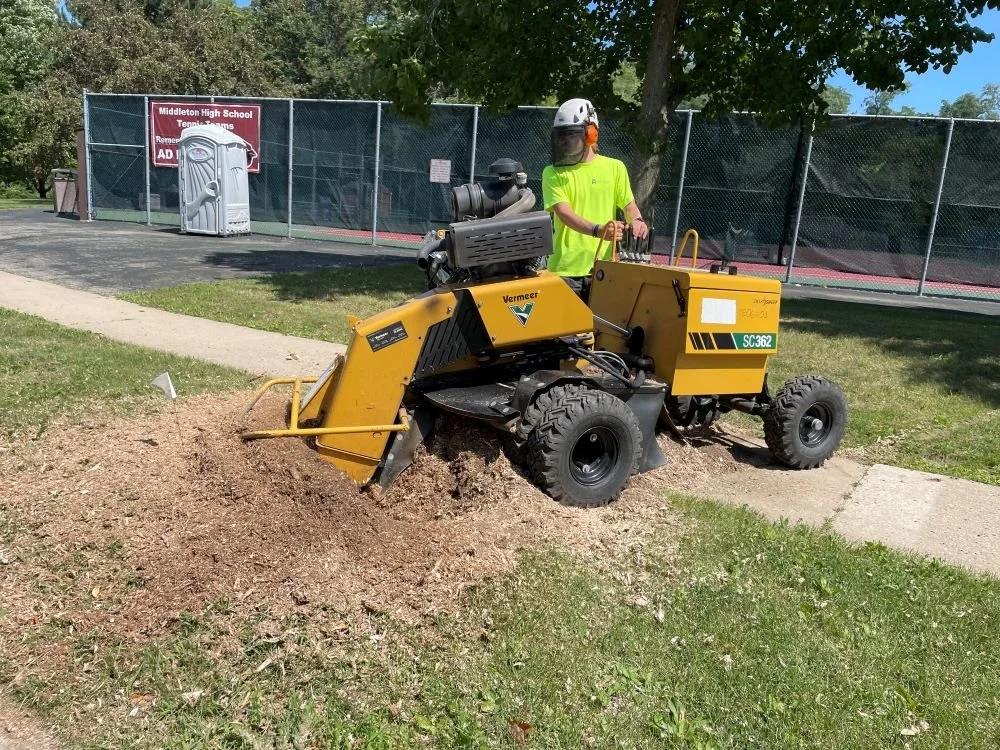
Grinding deeper can reduce regrowth, but stump grinding for different root systems may require a tailored approach depending on the species and root structure. If regrowth risk is high, targeted treatments may also be used according to label directions and local rules.
How deep does stump grinding need to be to stop termites in Australia?
Stump grinding can help by removing decaying timber that attracts termites, but it is not a termite treatment on its own. Grinding deeper may remove more food source near the surface, yet termites can still access buried roots and other timber in the soil.
If they’re concerned about termites, they should arrange a licensed pest inspection and follow a proper management plan. Stump grinding is usually best viewed as a risk-reduction step, not a standalone fix.
What happens to the hole after stump grinding is finished?
After stump grinding, the hole is filled with a mix of wood chips and disturbed soil. Those grindings usually settle over time as they decompose, which can create a dip in lawns and paved areas if they are not managed properly.
For the best finish, they typically rake out excess chips, backfill with clean soil, and compact in layers. In many Australian yards, a follow-up top-up a few weeks later is normal, especially after rain.
Is stump grinding deeper always better?
Not always. Deeper stump grinding can cost more, take longer, and increase the chance of hitting rocks, old concrete, or hidden obstructions, especially in older Australian suburbs.
The better approach is “fit for purpose.” If they only want lawn restored, going extremely deep may not add much value. If they need paving, replanting, or construction, deeper stump grinding can be worth it when paired with the right backfill and compaction.
How can they choose the right stump grinding depth for their project?
They should decide what will happen on top of the area in the next 6–24 months. The right stump grinding depth is the one that prevents problems later, such as sinkholes, poor turf growth, or unstable paving.
A simple guide many Australian operators use:
- Lawn: 150–250 mm
- Garden bed: 200–300 mm (often with some chip removal)
- Replanting: deeper grind plus chip removal and fresh soil
- Paving/concrete: deeper grind plus excavation and compacted base
What should they ask a stump grinding contractor before booking?
They should ask what depth is included in the quote, whether grindings are removed or left on site, and how access affects the machine choice. This matters because stump grinding depth and finish quality can vary a lot between a small pedestrian grinder and a larger tracked unit.
They should also ask about underground services. In Australia, it’s common to locate services before digging, but stump grinding can still damage shallow irrigation lines or cables if the site is not checked.
How does stump grinding depth affect cost in Australia?
Depth is one of the biggest cost drivers because deeper grinding takes more time and wear on the cutting teeth. Larger stumps, dense hardwoods, and poor access can increase the cost as well.
Many Australian quotes price by stump diameter and difficulty, with depth assumptions built in. If they need stump grinding significantly deeper than standard, they should make that clear upfront so the contractor can quote accurately.
What’s the practical takeaway on how deep stump grinding goes underground?
For most Australian homes, stump grinding goes deep enough to level the area and prevent most regrowth, usually around 150–300 mm below ground. When they need more for paving, replanting, or construction, stump grinding can go deeper, but it often works best alongside chip removal and proper backfilling.
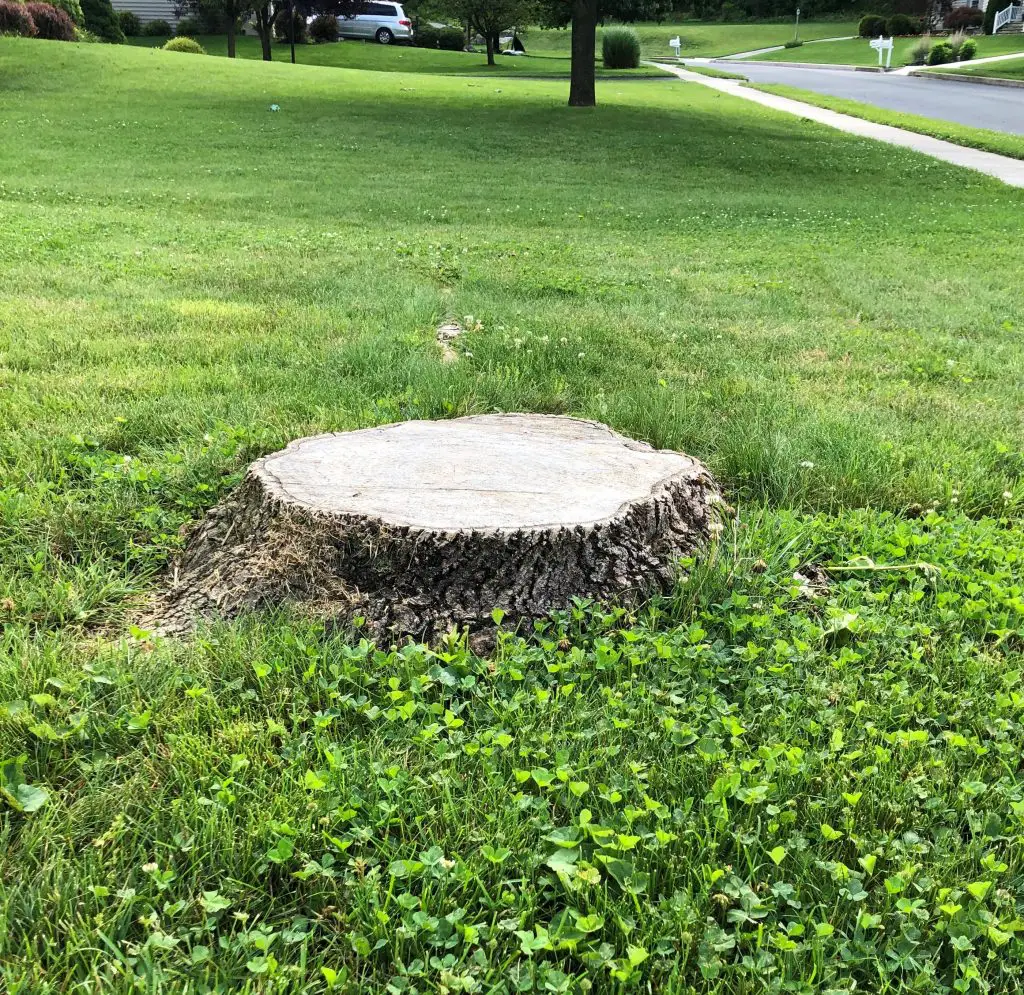
If they match stump grinding depth to the next use of the space, they usually get the cleanest finish and the fewest surprises later.
FAQs (Frequently Asked Questions)
How deep does stump grinding typically go underground in Australian residential areas?
In most Australian residential jobs, stump grinding usually goes 150–300 mm below the surrounding soil level. This depth is generally sufficient to stop regrowth from the stump’s crown and allow the area to be levelled and covered for purposes like lawn repair or garden beds.
What factors influence how deep stump grinding can be performed?
The depth of stump grinding depends on machine size, site access, ground conditions, stump diameter, timber hardness, presence of embedded rocks, and nearby underground services. Limited access in tight backyards often restricts how deep grinders can operate.
Is stump grinding effective in removing all tree roots underground?
No, stump grinding primarily removes the visible stump and upper root flare near the surface but does not remove all roots underground. Most tree roots spread widely beyond the stump area, and full root removal typically requires trenching and excavation beyond just grinding.
Can a stump grow back if the grinding isn’t done deeply enough?
Yes, if stump grinding is too shallow and leaves active growth tissue near the surface, some tree species that sucker readily can reshoot. Grinding deeper reduces this risk but does not guarantee complete prevention of regrowth for every species.
What is the recommended stump grinding depth for preparing an area for turf or lawn in Australia?
For turf or lawn preparation, a typical target depth is 150–250 mm below ground. This allows enough space to rake out grindings, add quality soil on top, and create a stable base that prevents sinking or drying out under Australian heat conditions.
How deep should stump grinding be for paving or concrete installation?
Paving usually requires deeper stump grinding—often 300 mm or more—to allow proper removal of grindings and compaction of base materials. For concrete slabs or footings, even greater clearance may be needed with additional excavation following stump grinding to meet engineering specifications.
<script type="application/ld+json">
{
  "@context": "https://schema.org",
  "@type": "BlogPosting",
  "mainEntityOfPage": {
    "@type": "WebPage",
    "@id": "https://greenimpactweek.com/how-deep-does-stump-grinding-actually-go-underground/"
  },
  "headline": "How Deep Does Stump Grinding Actually Go Underground?",
  "image": [
    "https://greenimpactweek.com/wp-content/uploads/2026/09/Stumpgrinding1000X750.webp",
    "https://greenimpactweek.com/wp-content/uploads/2026/09/Stump_Grinding_vs._Stump_Removal_Which_Is_Right_for_You_1024x.jpg",
    "https://greenimpactweek.com/wp-content/uploads/2026/09/Van-Stump-2-1024x995-1.webp"
  ],
  "author": {
    "@type": "",
    "name": "Gland Maxwell",
    "url": "https://greenimpactweek.com/author/admin/"
  },
  "publisher": {
    "@type": "Organization",
    "name": "Green Impact Week",
    "logo": {
      "@type": "ImageObject",
      "url": "https://greenimpactweek.com/wp-content/uploads/2024/07/Green-logo.png"
    }
  },
  "datePublished": ""
}
</script>